
large led mirror
Understanding 6G and 6H Thread Gauges Precision in Engineering In the world of engineering and manufacturing, thread gauges play a crucial role in ensuring the accuracy and functional integrity of threaded components. Among the various classifications of thread gauges, the 6G and 6H designations are particularly important, especially in applications involving tight tolerances and high-performance requirements. Understanding the differences between these two types of gauges is essential for engineers, manufacturers, and quality control specialists. What are Thread Gauges? Thread gauges are tools used to measure the size and pitch of threads on screws, bolts, and other fasteners. They come in various specifications to accommodate different types of threads, including Unified, Metric, and Whitworth threads. The accuracy of these gauges is critical, as even slight deviations can lead to assembly issues, product failures, or safety hazards. Introducing 6G and 6H Thread Gauges The distinction between 6G and 6H gauges mainly revolves around the tolerance classes they represent. In general, the “G” and “H” designation stands for General and Holding, respectively. 6g 6h thread gauges 1. 6G Thread Gauges The 6G tolerance class is often used for external threads, such as those found on bolts and studs. This class provides a medium level of tolerance, which allows for easy assembly while ensuring sufficient strength and reliability of the fastened joint. The 6G specification is characterized by a more significant allowance for variation, making it suitable for applications where parts may need to fit together while still accommodating some manufacturing error. 2. 6H Thread Gauges In contrast, the 6H class is designed for internal threads, such as those in nuts and tapped holes. The 6H tolerance is tighter than that of 6G, promoting a higher degree of precision. This class is particularly beneficial in applications where consistent performance is critical, and any slack in fit could lead to malfunction or decreased load-bearing capability. Applications and Importance Both 6G and 6H gauges are essential in industries ranging from aerospace to automotive manufacturing, where precision and reliability are paramount. The choice of gauge depends on the specific requirements of the application. Engineers often select 6G for general use, where some tolerance is acceptable, while 6H is favored in precision applications demanding greater control over dimensional accuracy. Conclusion In conclusion, the choice between 6G and 6H thread gauges can significantly impact the quality and performance of mechanical assemblies. Understanding their differences allows engineers to select the appropriate gauge for their specific application needs, ensuring both efficiency in production and reliability in the final product. In an era where precision engineering is more important than ever, mastering the subtleties of thread gauge specifications is essential for successful manufacturing practices.
about
large led mirror
In the realm of precision manufacturing and quality control, threaded ring gauge and adherence to thread ring gauge standard are critical for ensuring component reliability. These tools and benchmarks are indispensable in industries where thread precision directly impacts safety and functionality. This article explores the fundamental role of threaded ring gauge and the importance of aligning with thread ring gauge standard to maintain industrial quality benchmarks. Key Features of Thread Rings in Quality Assurance Thread rings , as integral components of threaded ring gauges , possess specific features that make them essential for quality control. These rings are precision-engineered to replicate the exact profile of the internal threads they are designed to check, including parameters such as pitch, diameter, and angle. The accuracy of thread rings directly impacts the reliability of the measurement process, as any imperfection in their design can lead to false positives or negatives in thread inspection. One of the critical features of thread rings is their compliance with international and industry-specific standards. These standards dictate the dimensions, tolerances, and manufacturing processes for thread rings , ensuring consistency and interoperability across different manufacturing facilities and regions. Additionally, thread rings may be coated with protective layers to resist corrosion and wear, extending their service life in harsh industrial environments. Best Practices for the Use of Thread Gauge in Industrial Settings Proper usage of thread gauges is essential to maintain their accuracy and ensure reliable measurements. First, operators must thoroughly clean both the gauge and the component being inspected to remove any debris, oil, or contaminants that could interfere with the measurement. Using a clean, dry cloth or brush to wipe the threads ensures that the threaded ring gauge fits correctly onto the component without obstruction. Secondly, applying the gauge with the correct amount of force is crucial. Over-tightening can cause damage to the gauge or the component, while insufficient force may result in an inaccurate assessment. Operators should allow the threaded ring gauge to slide onto the threads under its own weight or with minimal hand pressure. Adhering to Thread Ring Gauge Standard for Precision Compliance with thread ring gauge standard is non-negotiable in industries where precision is paramount. These standards define the allowable tolerances for thread dimensions, ensuring that components from different manufacturers can be interchangeable. Manufacturers must use threaded ring gauges that are traceable to these standards, often verified through calibration certificates from accredited laboratories. By adhering to thread ring gauge standard , companies can minimize the risk of producing non-conforming parts, reduce costly rework, and enhance customer satisfaction. Additionally, staying updated with revisions to these standards is essential, as technological advancements and industry feedback often lead to improvements in thread specifications. Maintenance Strategies for Thread Rings in Industrial Environments Proper maintenance of thread rings is essential to preserve their precision and extend their operational lifespan in demanding industrial settings. These critical components, which form the core of threaded ring gauges , are susceptible to wear, corrosion, and contamination if not cared for correctly. Regular inspection and maintenance practices ensure that thread rings continue to deliver accurate measurements, safeguarding the quality of threaded components. To maintain thread rings , operators should first establish a routine cleaning schedule, using non-abrasive solvents and soft brushes to remove debris, metal shavings, or lubricants that may accumulate in the thread grooves. Harsh chemicals or abrasive tools can damage the delicate thread profile, compromising measurement accuracy. After cleaning, thread rings should be dried thoroughly and stored in protective cases or cabinets to prevent exposure to moisture, dust, or extreme temperatures. T hreaded R ing G auge FAQs How to choose the right threaded ring gauge for a specific application? Selecting the appropriate threaded ring gauge involves identifying the thread type , nominal diameter, pitch, and tolerance class required for the component. Referencing the applicable thread ring gauge standard and consulting the gauge manufacturer's specifications will ensure the gauge matches the thread requirements. What are the common causes of inaccuracies when using thread rings? Inaccuracies with thread rings often arise from improper maintenance, such as failing to clean the gauge or store it in a protective case, leading to debris accumulation or corrosion. Additionally, using a threaded ring gauge that is not calibrated to the latest thread ring gauge standard or applying excessive force during inspection can compromise measurement accuracy. Can thread gauges be used for both new components and worn parts? While thread gauges are primarily designed for inspecting new components, they can also be used to assess wear on existing parts. However, for worn components, it is essential to compare the measurement results against the allowable wear limits specified in the relevant thread ring gauge standard to determine if the part is still serviceable. How often should threaded ring gauges be calibrated? The calibration frequency for threaded ring gauges depends on their usage intensity and the industry's quality requirements. As a general best practice, most industries recommend calibrating thread gauges at least annually or more frequently if they are used in high-volume production environments to ensure ongoing compliance with thread ring gauge standard . What steps should be taken if a threaded ring gauge fails calibration? If a threaded ring gauge fails calibration, it should be immediately removed from service and marked as non-conforming. Depending on the extent of the deviation, the gauge may be reconditioned by a qualified technician or discarded. Replacing it with a calibrated gauge that meets the thread ring gauge standard is essential to maintain measurement integrity. In summary, threaded ring gauge and thread ring gauge standard form the backbone of thread quality control in manufacturing. These elements ensure threaded components meet precise dimensions for safe operation. By understanding their roles and adhering to standards, manufacturers enhance reliability and quality benchmarks. Proper maintenance and calibration of threaded ring gauge are essential for sustaining precision, with compliance to thread ring gauge standard being critical for industrial consistency.
-

High quality industrial productsagement

High quality industrial products
View Details -

Meet the diverse needs of customers

Meet the diverse needs of customers
View Details -

Strict quality control

Strict quality control
View Details -

Top raw materials

Top raw materials
View Details -

Trusted supplier

Trusted supplier
View Details
Our application


news and information
Válvula de mariposa de 1200 mm para aplicaciones industriales y de control de flujo
Válvula de Mariposa de 1200 mm Eficiencia y Aplicaciones en la Industria La válvula de mariposa es u
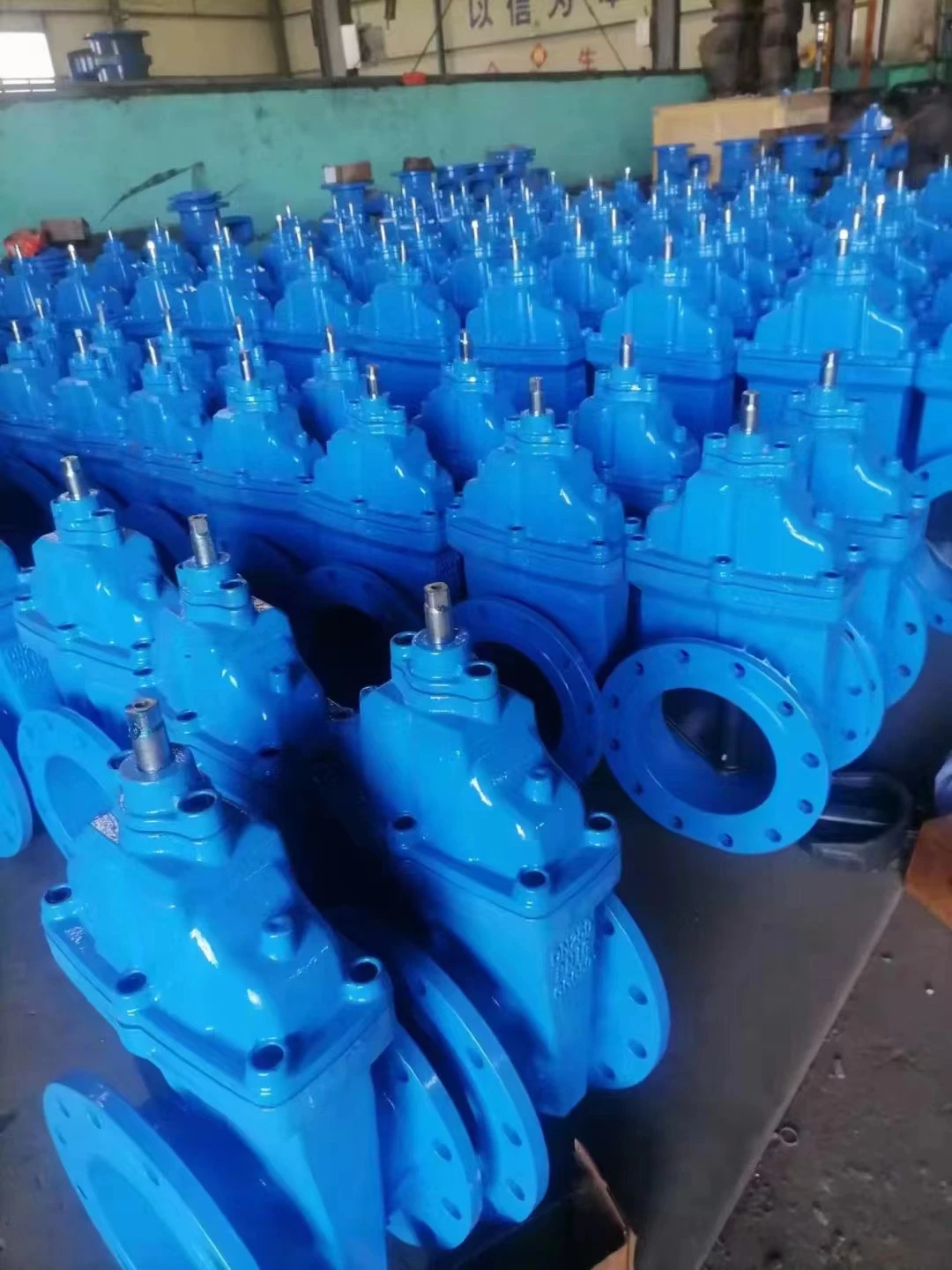
Y turi filtr uchun strainer va suyuqlik tozalash tizimlari
Y Turi Filteri va Suvni Tozalashda Uning O'rni Y turi filtri suvni tozalashda muhim rol o'ynaydi. Bu
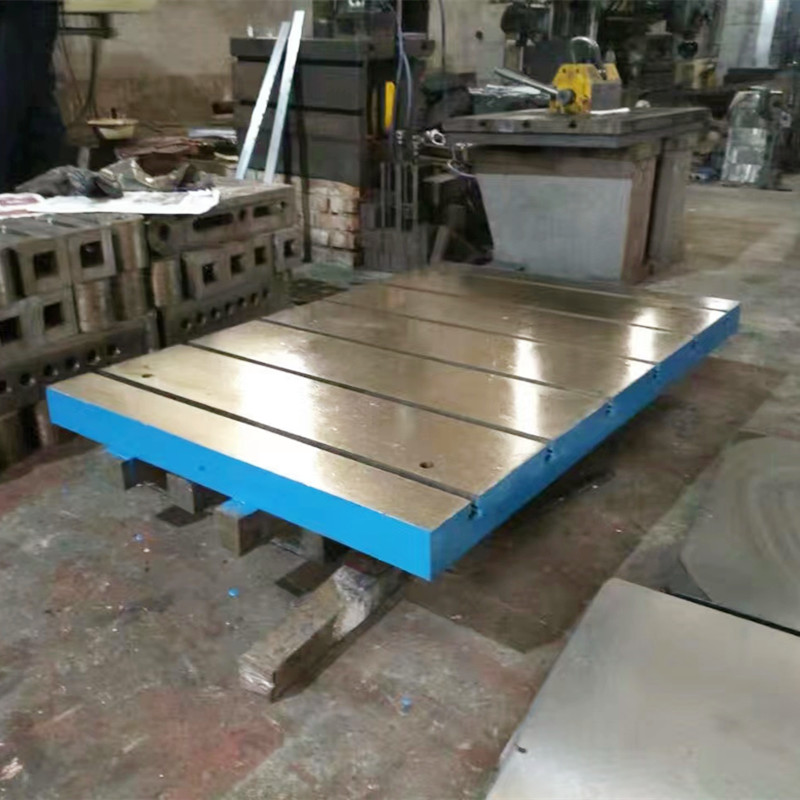
y type filter
Understanding Y-Type Filters A Comprehensive Overview In the intricate world of fluid dynamics and s
 English